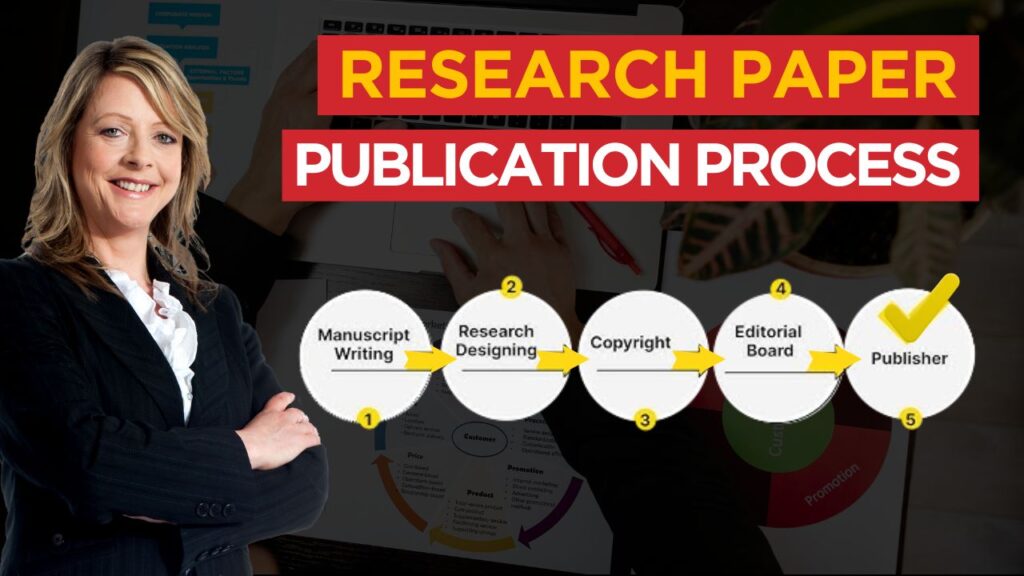
Publishing a Research Paper is one of the most rewarding milestones for any academic, scholar, or professional researcher. It not only validates your hard work but also contributes to the global body of knowledge. However, the process can be complex — from selecting the right topic to surviving peer review and finally seeing your paper published.
This comprehensive guide walks you through every stage of the publication journey, ensuring you’re well-prepared to share your findings with the world.
Introduction to Research Papers
A Research Paper is an organized presentation of original findings, analysis, and insights that aim to advance understanding in a specific field. It serves as a critical tool for knowledge dissemination and scholarly dialogue.
Writing and publishing such a paper requires rigorous research, adherence to academic standards, and effective communication. It’s not merely about reporting data but also about presenting ideas in a way that can withstand academic scrutiny and inspire further research.
Choosing the Right Research Topic
Selecting a topic is the foundation of a successful research project. It should be relevant, innovative, and feasible within your resources and timeframe.
Start by identifying broad areas of interest and narrowing them down by reviewing existing studies. Look for gaps in current literature — unanswered questions, conflicting results, or underexplored domains.
Tip: Choose a topic that excites you; passion sustains persistence through challenges.
Conducting a Thorough Literature Review
A strong literature review establishes the groundwork for your research. It provides context, highlights previous work, and helps you identify where your contribution fits in.
Use reliable databases like PubMed, Scopus, and IEEE Xplore to gather peer-reviewed sources. Summarize key studies, evaluate methodologies, and note recurring themes. This helps you build a strong theoretical framework and avoid duplicating existing work.
Designing Your Research Methodology
Your methodology defines how your research will be conducted and validated. It could be qualitative, quantitative, or a mixed-methods approach depending on your research question.
Ensure that your data collection and analysis are transparent and replicable. Always follow ethical guidelines, such as obtaining informed consent and maintaining participant confidentiality. Upholding integrity ensures that your Research Paper withstands peer review scrutiny.
Writing the Research Paper
Academic writing demands clarity, conciseness, and consistency. Follow the IMRaD structure — Introduction, Methods, Results, and Discussion.
- Title and Abstract: Craft a concise title that reflects your study’s focus. The abstract should summarize objectives, methods, results, and conclusions in about 200–250 words.
- Introduction: Present your research question and rationale.
- Methods and Results: Detail your experimental or analytical approach and report findings with appropriate visuals.
- Discussion: Interpret results, compare with previous studies, and highlight implications.
Include keywords strategically to improve searchability and reach.
Selecting the Right Journal for Publication
Choosing the right journal is critical. Evaluate the scope, impact factor, review timelines, and audience. Tools like JournalFinder (Elsevier) and Springer Journal Suggester can help.
Decide whether to publish in open access or subscription-based journals. Open access boosts visibility but may require publication fees, while subscription journals often have more traditional prestige.
Submitting Your Manuscript
Before submission, review the journal’s author guidelines. Format your manuscript accordingly and include a compelling cover letter summarizing your research significance.
After submission, you’ll receive a confirmation and await the peer review process — the heart of academic validation.
Understanding Peer Review and Revisions
Peer review ensures your research meets academic standards. Reviewers assess methodology, originality, and relevance.
If revisions are requested, respond professionally. Address each comment clearly, provide evidence for changes, and express appreciation for constructive feedback.
Persistence pays off — many accepted papers undergo multiple revisions.
Publication Acceptance and Proofreading
Once accepted, your paper enters the production stage. Review proofs carefully for formatting errors, typographical mistakes, or missing references. Approve the final version only when you’re fully satisfied.
Promoting Your Published Research Paper
Publication is not the end — it’s the beginning of impact. Share your paper through academic social networks like ResearchGate, Academia.edu, and LinkedIn.
Engage in academic conferences, collaborate with peers, and cite your own work where relevant to increase visibility and credibility.
Common Mistakes to Avoid
- Submitting before proofreading.
- Ignoring journal scope.
- Plagiarism or lack of originality.
- Neglecting reviewer feedback.
- Weak abstract or title.
Avoiding these pitfalls increases your chances of successful publication.
FAQs About Publishing a Research Paper
Q1. How long does it take to publish a research paper?
Typically, 3–12 months depending on the journal’s review process.
Q2. Can I submit to multiple journals at once?
No. Simultaneous submissions are considered unethical.
Q3. What if my paper gets rejected?
Revise, improve, and try another journal. Rejection is part of the process.
Q4. Are there fees for publishing research papers?
Yes, especially for open-access journals. Always check before submission.
Q5. How can I increase citations of my paper?
Promote your work, collaborate widely, and ensure accessibility online.
Q6. Is plagiarism checking necessary?
Absolutely. Use tools like Turnitin or Grammarly Premium to ensure originality.
Conclusion:
Publishing a Research Paper is more than just academic recognition — it’s a contribution to human progress. Every published paper pushes the boundary of knowledge a little further. By understanding the complete process, from topic selection to post-publication promotion, you can ensure that your research reaches its full potential and inspires others.
Ready to publish your research paper?
Let’s make your work stand out in the academic world.
Contact us today to get expert assistance in research paper writing and publishing.