
Choosing the right journal is one of the most critical steps in academic publishing. A well-chosen journal ensures that your research reaches the right audience, gains visibility, and contributes to your academic career. The process might seem daunting, but with a clear strategy, you can identify the most suitable journal for your paper with confidence.
Publishing in the wrong journal can result in rejection, low readership, or even damage to your academic reputation. Therefore, understanding journal types, scopes, and reputations is vital before submission.
Understanding the Purpose and Scope of a Journal
What Is a Journal in Academic Publishing?
A journal is a periodical publication that presents scholarly research in a specific field. It serves as a platform for academics to share findings, test theories, and advance knowledge. Journals differ by subject, audience, and editorial standards, making it essential to match your paper’s theme with the journal’s focus.
Types of Journals: Open Access vs. Subscription-Based
There are two main types of journals:
- Open Access Journals: These make articles freely available to readers. Authors may pay a publication fee (Article Processing Charge), but their work gains greater visibility.
- Subscription-Based Journals: Readers must pay or have institutional access. These journals are often seen as more traditional and may carry higher prestige.
The Role of Journal Impact Factor and Reputation
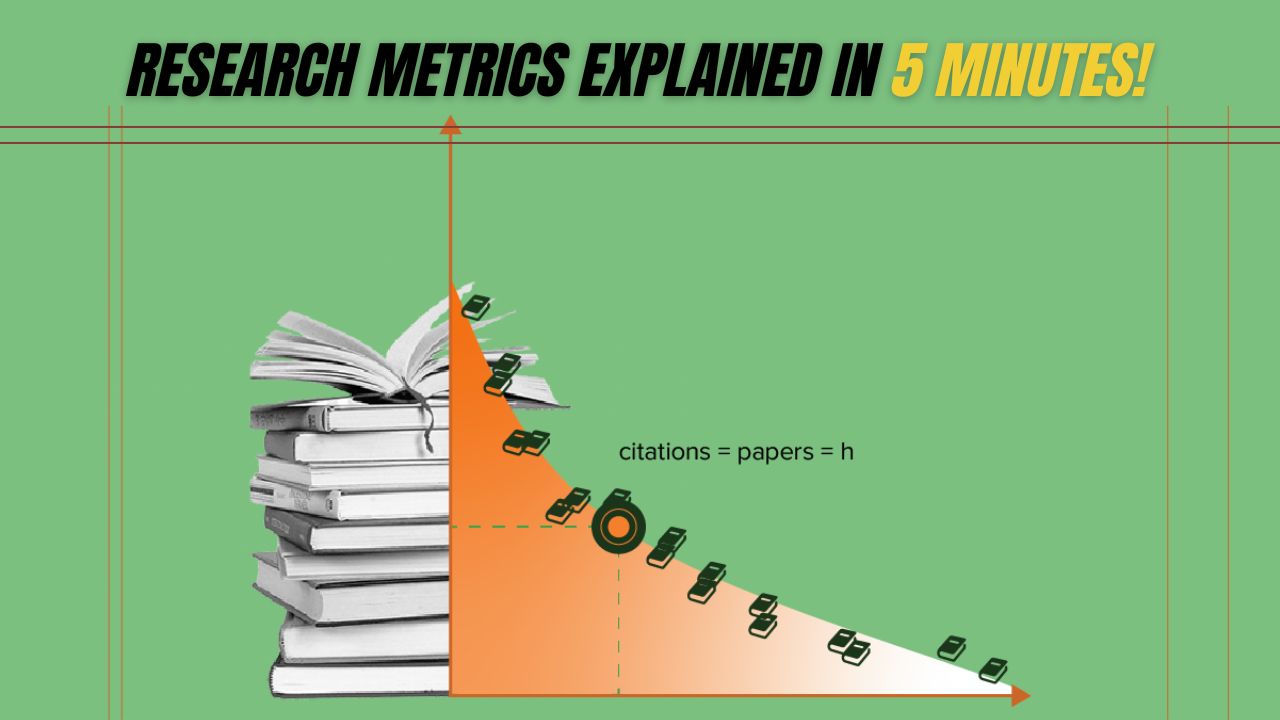
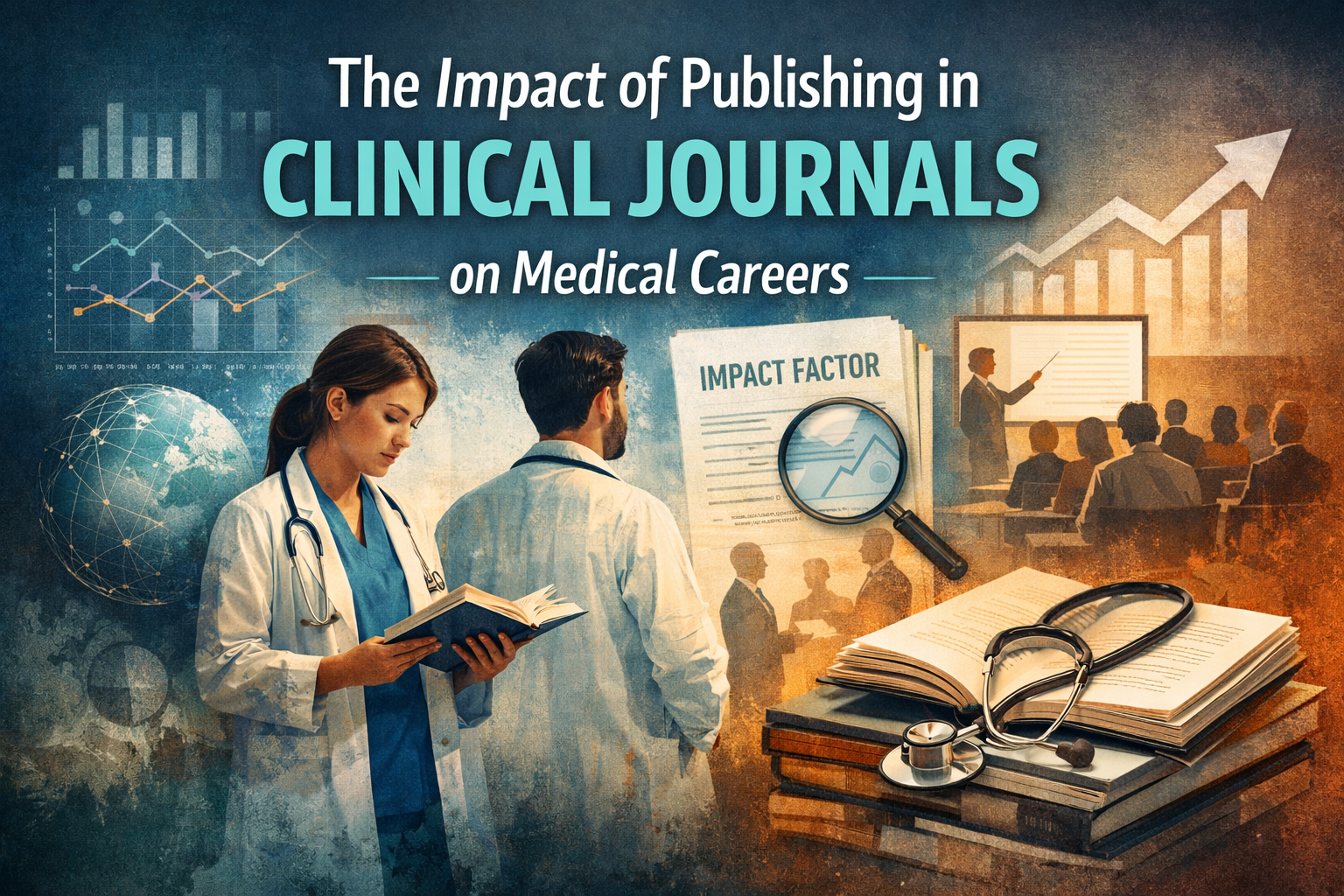
The impact factor reflects how frequently a journal’s articles are cited. While it’s an important indicator of reputation, it shouldn’t be the sole factor in your decision. Some niche or emerging fields may have lower impact factors but are still highly respected in their discipline.
Step-by-Step Guide to Choosing the Right Journal
Step 1: Identify Your Research Field and Audience
Start by defining your paper’s main contribution. Ask yourself: who would benefit most from reading it? A clear understanding of your target audience will guide you toward journals that publish similar studies.
Step 2: Evaluate the Journal’s Aims and Scope
Every journal lists its aims and scope on its website. Make sure your manuscript fits within their subject range. Submitting outside the scope is a common reason for immediate rejection.
Step 3: Review Previously Published Articles
Reviewing recently published articles gives insight into the journal’s writing style, preferred methodologies, and trending topics. This helps you align your paper accordingly.
Step 4: Check Indexing and Abstracting Services
A reputable journal should be indexed in recognized databases such as Scopus, Web of Science, or PubMed. Indexed journals offer higher visibility and credibility.
Step 5: Analyze Acceptance Rates and Publication Time
Some journals take months to review and publish papers. Consider how urgently you need your research published. Many journals share their average decision and publication timelines.
Step 6: Assess the Journal’s Peer Review Process
Peer review ensures quality and credibility. Look for journals that practice double-blind review, where both authors and reviewers remain anonymous.
Step 7: Verify Ethical Publishing Standards
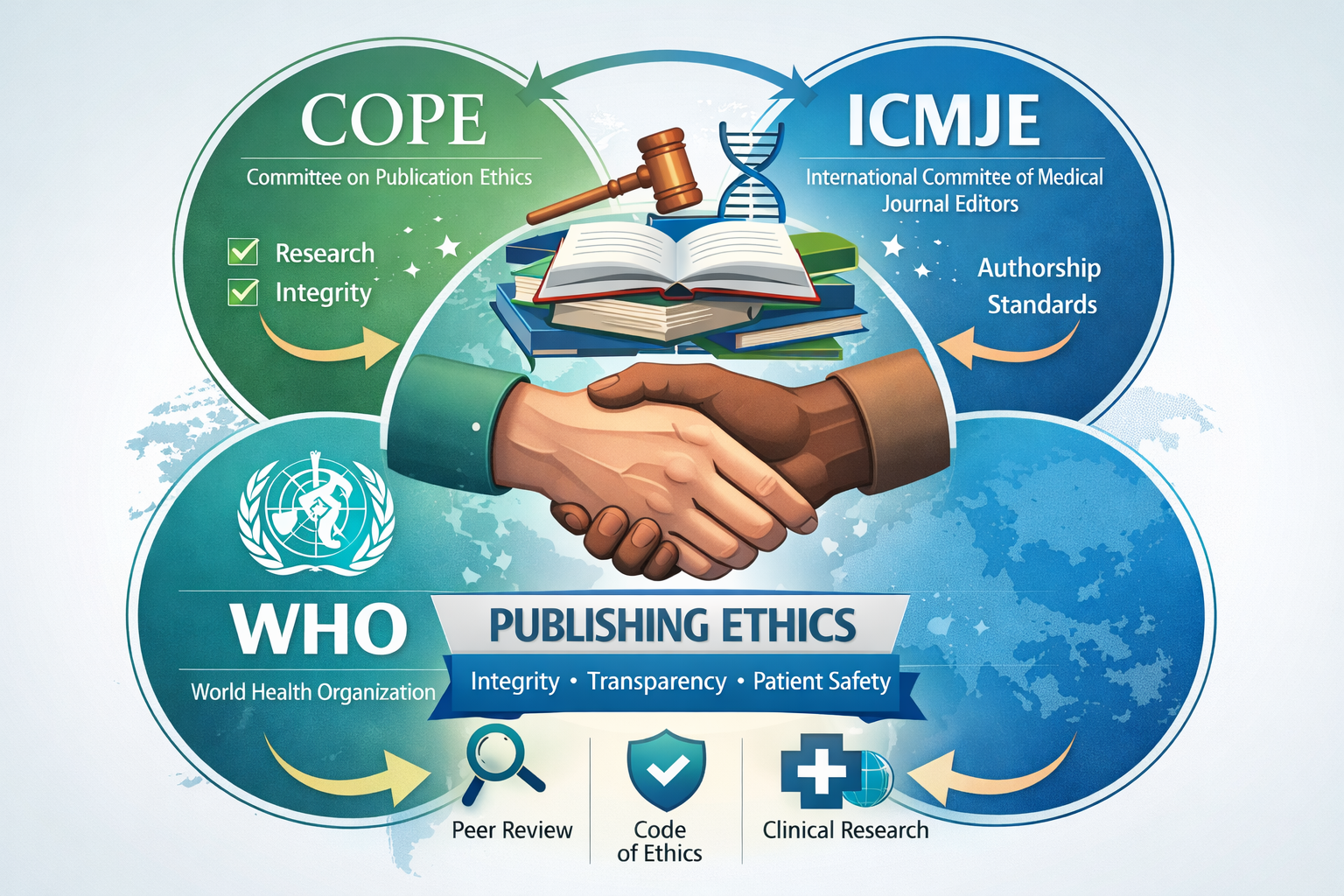
Always confirm that the journal adheres to ethical standards such as those set by the Committee on Publication Ethics (COPE). This ensures transparency and prevents exploitation.
Common Mistakes to Avoid When Choosing a Journal
Predatory Journals and How to Spot Them
Predatory journals exploit authors by charging high fees without offering proper peer review or editorial oversight. Red flags include:
- Promises of “guaranteed acceptance”
- Poorly designed websites
- Fake editorial boards
You can check legitimacy via Beall’s List or by searching for the journal in DOAJ.
Overemphasis on Impact Factor Alone
While important, impact factor shouldn’t be your only criterion. A smaller, specialized journal might offer a better audience fit for your paper.
Ignoring the Target Audience
Publishing in a prestigious but irrelevant journal may reduce your paper’s impact. Always prioritize audience relevance.
Tools and Resources for Journal Selection
Using Journal Finder Tools (Elsevier, Springer, Taylor & Francis)
Major publishers provide free online tools where you can upload your abstract to find suitable journals. Examples include:
Consulting Mentors and Research Networks
Seek advice from mentors, supervisors, or peers who have published before. They can recommend trustworthy journals in your field.
Exploring Directory of Open Access Journals (DOAJ)
The DOAJ lists over 18,000 open-access journals that meet strict quality criteria, helping you find reputable publication venues.
FAQs About Choosing a Journal
1. What makes a good academic journal?
A good journal has a strong peer-review process, credible editorial board, and consistent publication standards.
2. How can I check if a journal is reputable?
Use indexing services like Scopus or databases like DOAJ to confirm legitimacy.
3. What is the difference between impact factor and CiteScore?
Impact factor is based on citations from the past two years, while CiteScore uses a three-year window.
4. Should I always prefer open-access journals?
Not necessarily. Open-access increases visibility, but consider the journal’s reputation and field relevance too.
5. Can I submit my paper to more than one journal at once?
No. Simultaneous submissions are considered unethical and may result in blacklisting.
6. How long does journal publication usually take?
It varies from 3 to 12 months depending on the journal’s review process.
Conclusion
Choosing the right journal requires thoughtful evaluation of scope, audience, reputation, and ethical standards. By using journal finder tools, consulting mentors, and avoiding predatory publishers, you can ensure your research reaches its intended audience effectively.
👉 Let us simplify your publication process!
Reach out to us today to learn how we can help you publish in the right journal and boost your research impact.
📩 Contact Us: info@clinicapress.com