Publishing in clinical journals isn’t a CV booster — it’s a professional currency that shapes reputations, determines access to funding, and drives leadership trajectories in medicine. The Impact of Publishing in Clinical Journals extends far beyond countable papers: it influences clinical authority, networking power, competitive edge for grants, and future influence in shaping health policy.
Therefore, this article dives deep into why publishing matters, how journal metrics like the journal of clinical investigation impact factor affect career pathways, and what strategic behaviors early-career clinicians should adopt to build a meaningful publication record.
Why Publication Is a Core Currency in Medicine
Academic medicine isn’t evaluated on clinical skill alone — research dissemination is equally critical. Simply seeing patients doesn’t place you at the table where practice guidelines, policy decisions, and research agendas are set.
Clinically oriented publications:
- Validate scientific contribution
- Demonstrate intellectual leadership
- Signal long-term commitment to evidence-based progress
Institutions increasingly view publication records as performance indicators, tying promotion, salary support, and tenure-track eligibility to scholarly productivity. Since, the “publish or perish” culture isn’t hyperbole — it’s reality.
What Journal Metrics Really Mean for Your CV
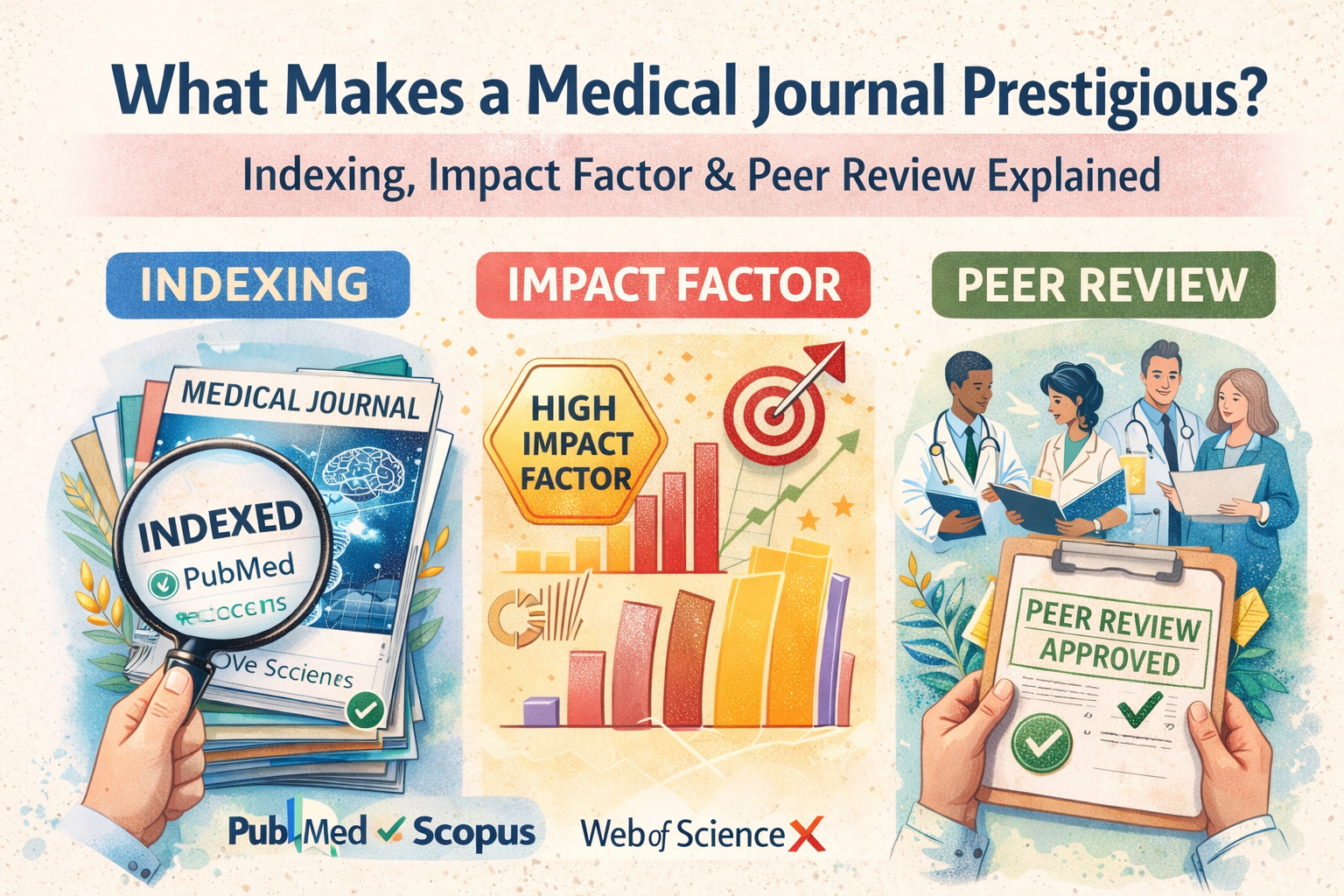
One of the most cited metrics is the impact factor journal clinical investigation score. This metric reflects average citation volume of articles in a journal and, while imperfect, serves as shorthand for perceived prestige in many academic circles.
As defined by Clarivate Analytics, journals with higher impact factors often attract broader readership and, consequently, amplify researchers’ visibility internationally. Researchers in high-impact venues are more likely to be invited to speak at conferences and to join collaborative studies.
That said, metrics like clinical investigation journal impact factor should be considered thoughtfully. An obsession with numbers can lead to prioritizing “trendy topics” over clinically meaningful work.
Authority perspective: Impact factors are widely reported because they offer one proxy for influence — but they’re not a substitute for quality. Articles in niche clinical domains might transform practice but never score a high numeric impact factor. (See Clarivate Journal Citation Reports for context.)
Explore what is impact factor with our guide: Impact Factor vs CiteScore
Career Pathways: How Publishing Shapes Professional Trajectories
| Career Aspect | Key Influence of Publishing | Recommended Strategy for Clinicians |
| Academic Promotion | High-impact publications often required for tenure | Target journals with strong journal of clinical investigation impact factor; prioritize first/last authorship |
| Funding & Grants | Past publications indicate research capability | Maintain a consistent record; demonstrate relevance to proposed research |
| Clinical Credibility | Publications amplify authority in guideline development | Publish case studies, trials, and systematic reviews |
| Professional Networking | Co-authorships and citations create collaboration paths | Engage mentors; join multi-center research projects |
| Skill Development | Writing and peer-review improve analytical & communication skills | Participate in peer-review; attend workshops on scientific writing |
| Ethical Standards | Demonstrates adherence to research integrity | Follow COPE guidelines; obtain IRB approvals |
1. Academic Promotion and Tenure
In academic settings, candidate evaluation panels look for:
- Quantity of peer-reviewed publications
- Quality of publishing venues
- Research impact demonstrated by citations
A robust publication record bolsters chances of promotion from assistant to associate professor and beyond. Many institutions mandate a defined number of first- or last-author papers before promotions committees will recommend advancement.
This metric-driven system also influences salary structures and eligibility for leadership roles like division chief or program director.
2. Grant and Funding Opportunities
Foundation and government grant panels (e.g., NIH, Wellcome Trust) heavily weigh an applicant’s publication record, considering both measurables like impact factor and qualitative relevance to the proposed research.
Researchers with publications in well-regarded journals tend to receive higher priority scores in peer-review processes. Funding is scarce, and reviewers use past productivity as a proxy for future success.
Importantly, your publication history should demonstrate:
- Topic focus
- Consistency
- Methodological rigor
Weak or inconsistent records reduce competitiveness, regardless of clinical skill.
Publishing and Clinical Credibility
Beyond academic structures, publication builds clinical credibility. When frontline clinicians publish case studies or clinical trials, they contribute directly to evidence-based care.
Physicians with strong publication records are more frequently:
- Quoted in mainstream medical press
- Asked to participate on guideline-writing panels
- Invited as expert reviewers
In essence, publishing extends your voice from the clinic exam room to the global scientific community.
Networking and Collaborative Power
Strong publication portfolios open doors to professional networks. Co-author relationships cultivate long-term collaborations that lead to:
- Multi-center studies
- Invitation-only consortia
- Leadership positions in professional societies
In a field where “who you know” still matters, publishing creates recognized proof of expertise that earns trust quickly.
These networks fuel career mobility — moving from junior investigator to respected thought leader.
Pitfalls to Avoid: Quality Over Quantity
A trap many clinicians fall into is chasing publication volume without regard to substance. This approach often results in:
- Submissions to low-quality or predatory journals
- Fragmented, low-impact contributions
- Limited real-world influence
Prioritize journals with rigorous peer review and clear editorial standards. Ask yourself before submission:
- Does this research advance clinical practice?
- Will it be read and cited by peers?
- Is this worth the time and reputation investment?
High-profile clinical journals demand thoughtful study design and robust interpretation.
An analogy: publishing should feel like building a portfolio of your best work, not like producing filler content.
How to Improve Your Publication Strategy
Here’s how to boost your career-relevant publishing impact:
Target the Right Venues
Choose journals that align with your specialty and have transparent editorial standards. Use tools like UlrichsWeb or Journal Citation Reports to assess indices like journal of clinical investigation impact factor before submission.
Focus on First-Rate Content
Even if a journal’s impact windows — a term analogous to exposure opportunities — is narrow, your research can resonate if it answers a well-defined clinical question.
Example focus areas:
- Randomized controlled trials
- Clinically relevant systematic reviews
- Practice-changing interventions
Build Peer Networks
Early engagement with mentors and collaborators can ease authorship barriers. Co-authoring with seasoned researchers accelerates learning of publishing norms.
Understand the Review Cycle
Rejecting early and revising thoughtfully is better than cycling through redundant submissions. Many high-impact clinical journals provide transparent reviewer feedback that can inform stronger revision strategies.
Publication Ethics: Non-Negotiable
Ethical conduct isn’t optional — it’s foundational. Fabrication, plagiarism, or misrepresentation damages careers irreversibly.
Ensure:
- IRB approval is obtained and declared
- Data access and analysis are transparent
- Authorship standards meet ICMJE criteria
Regulatory bodies like the Committee on Publication Ethics (COPE) outline principles that should govern your research lifecycle.
Remember: a retraction is not just a line in a CV — it’s a stain on your professional credibility.
Beyond Journals: Alternative Visibility Pathways
Don’t underestimate the value of supplementary visibility:
- Registered reports
- Preprint servers
- Conference abstracts
- Clinical trial registries
These avenues complement journal publishing and can accelerate dissemination, particularly in fast-moving clinical fronts.
However, peer-reviewed journals remain the most trusted and academically valued platform.
Final Takeaways
The Impact of Publishing in Clinical Journals on medical careers is profound:
- Promotion and funding often hinge on publication record
- High-impact venues boost visibility and credibility
- Ethical, high-quality research drives long-term professional respect
Publishing isn’t a checkbox. Instead, it’s a strategic, portfolio-building process that rewards clinicians who think critically about where, how, and why they share their work.
Therefore, successful clinicians treat publishing as a professional imperative — not an optional sideline.